 SpineEase Review
Orevive SpineEase Side Effects and Safety
By the SpineEase Review team · Updated 11 October 2026 · Research-based, not hands-on tested · We may earn a commission
Short answer
The seller doesn't publish a dedicated side-effects list for Orevive SpineEase. Based on how devices combining heat, vibration and EMS generally behave, the most commonly reported reactions are mild skin redness, tingling or short-lived muscle soreness. Certain groups, including anyone with a pacemaker or who is pregnant, should check with a GP before use. Stop immediately if you notice pain, burning or numbness.
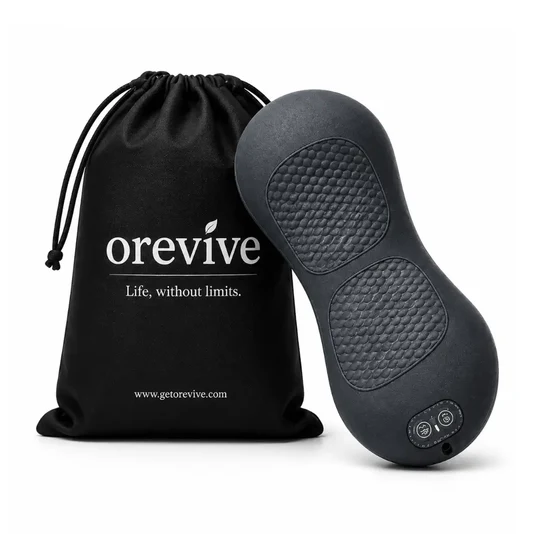
Orevive SpineEase
From £79.95 · 30-day returns (stated) · Tracked UK delivery
Price on the official store, 11 October 2026.
- Session length
- 15 minutes, then auto-off
- Maximum heat
- Up to 42°C
- Modes combined
- EMS · heat · kneading
- Returns window
- 30 days from delivery (stated)
Common reactions to heat, vibration and EMS
Orevive SpineEase is described by its seller as combining three things in one cordless unit: EMS (electrical muscle stimulation) pulses, infrared heat up to 42°C, and kneading vibration. None of these technologies are unique to this product, and each is known to cause a small set of generally mild reactions in some users. We're summarising typical effects reported with this type of device in general, not data specific to Orevive SpineEase, since the seller hasn't published a side-effects list of its own.
With heat, the most common issue is simply skin going pink or red where the unit has been resting, especially after a longer session or on sensitive skin. In rare cases, prolonged contact with any heated device can cause a burn, particularly for people with reduced skin sensation who may not notice the heat building up. With vibration and kneading, some people feel mild soreness in the muscles afterwards, similar to the feeling after a firm massage, which usually settles within a day. With EMS, the pulses are designed to make muscles twitch or contract; people sometimes describe this as an odd tingling or "buzzing" sensation that can feel uncomfortable at higher intensities, and some notice brief muscle fatigue afterwards.
None of this means SpineEase will definitely cause these effects for you; it's simply what tends to come up with heated, vibrating and EMS-based devices as a category. If you've used a TENS machine or a heat pad before without issue, you may find SpineEase's heat and EMS elements feel similar.
Who should check with a GP before using it
Because SpineEase uses electrical stimulation and heat against the skin, there are groups of people who should get medical advice before trying it, or avoid it altogether. This isn't a SpineEase-specific list; it reflects the general precautions associated with EMS and heat therapy devices.
| Situation | Why it matters |
|---|---|
| Pacemaker, defibrillator or other implanted electronic device | Electrical stimulation may interfere with the device |
| Pregnancy | Effects of EMS and heat on pregnancy are not well established |
| Epilepsy or a heart condition | Electrical stimulation and heat may not be appropriate |
| Blood clots or poor circulation | Heat and massage can affect blood flow |
| Diabetes or reduced skin sensation | You may not notice if the heat is too intense |
| Broken skin, recent injury or surgery nearby | Heat and pressure could aggravate the area |
| Cancer or undergoing treatment | Always check with your care team first |
If any of these apply to you, speak to a GP, physiotherapist or pharmacist before buying or using a device like this. If you're unsure whether SpineEase is even suitable for your type of pain, our sciatica guide covers red flags worth knowing about first.
Check current price and stock on the official store
From £79.95 · 30-day money-back guarantee (stated) · Tracked UK delivery
Check Current Price(affiliate link, opens the seller's website in a new tab)Opens the official UK store in a new tab.
A safe-use checklist
Whether or not you fall into one of the groups above, a few sensible habits reduce the chance of an unwanted reaction with any heat, vibration or EMS device:
- Start on the lowest intensity and heat setting, then increase gradually if comfortable.
- Keep sessions to the built-in 15-minute limit rather than restarting repeatedly back to back.
- Don't use it on broken skin, over a recent injury, or near water.
- Don't fall asleep while using it.
- Avoid using it directly over the spine's bony structures; the seller positions it against the muscles either side of the spine.
- Follow the printed manual supplied in the box, which we haven't seen and so can't summarise here.
When to stop using it
Stop a session and remove the unit if you notice any of the following: sharp or worsening pain, a burning sensation, skin that looks blistered or unusually red, numbness, dizziness, or any reaction that feels different from ordinary muscle tiredness. If symptoms don't settle quickly after stopping, or keep recurring each time you use the device, it's worth getting it checked by a GP rather than continuing to use it.
Red flags that need medical attention, not a massager
A back or muscle massager, including SpineEase, is not designed to diagnose or treat underlying medical conditions. Seek medical help promptly, rather than relying on heat or massage, if back pain is accompanied by any of the following:
- Numbness around the groin, genitals or bottom (saddle numbness)
- New bladder or bowel control problems
- Weakness, numbness or heaviness in one or both legs
- Fever, unexplained weight loss, or pain that doesn't ease with rest
- Pain following a serious fall, accident or injury
These are the kind of symptoms the NHS flags as needing urgent assessment; see the NHS pages on back pain and sciatica for more detail. A massager is never a substitute for a proper assessment in these situations.
For more on how SpineEase is supposed to be used day-to-day, see how to use Orevive SpineEase, and for the full picture of pricing and the 30-day guarantee see our Orevive SpineEase review.
Frequently asked questions
Can Orevive SpineEase burn my skin?
Any device that heats up to around 42°C carries a small risk of skin irritation or, rarely, a burn with prolonged contact, especially for people with reduced skin sensation. Start on a lower heat setting and stick to the built-in 15-minute sessions.
Is the EMS setting painful?
EMS pulses are designed to make muscles contract, which some people describe as an odd tingling or twitching feeling rather than pain. Starting on a low intensity and increasing gradually should keep the sensation comfortable.
Can I use Orevive SpineEase every day?
The seller doesn't publish daily-use guidance. The built-in 15-minute auto-off suggests sessions are meant to be time-limited rather than continuous; if in doubt about frequent use, check with a GP or physiotherapist.
Is it safe to use during pregnancy?
We'd recommend checking with a GP or midwife before using any EMS or heat device during pregnancy, since effects on pregnancy are not well established for this type of product.
What should I do if it causes a reaction?
Stop using it straight away, remove it from the skin, and let any redness or soreness settle. If symptoms persist or worsen, see a GP. You may also be able to return the unit under the stated 30-day guarantee.
Sources and last checked: Official Orevive SpineEase store (checked 11 October 2026); NHS: Back pain; NHS: Sciatica; NHS: TENS.
Check the latest price and terms on the official UK store
From £79.95 · 30-day money-back guarantee (stated) · Tracked UK delivery
Check Current Price(affiliate link, opens the seller's website in a new tab)Opens the official UK store in a new tab.