 SpineEase Review
How to Choose a Heated Lower Back Massager
By the SpineEase Review team · Updated 11 October 2026 · Research-based, not hands-on tested · We may earn a commission
Short answer
Look for adjustable heat with a sensible maximum (typically 40–45°C), an automatic shut-off, a massage style you enjoy, cordless use if you'll move between rooms, and a clear UK returns policy. Be sceptical of any massager claiming to treat medical conditions, and check what's actually listed in the specification rather than just the marketing copy.
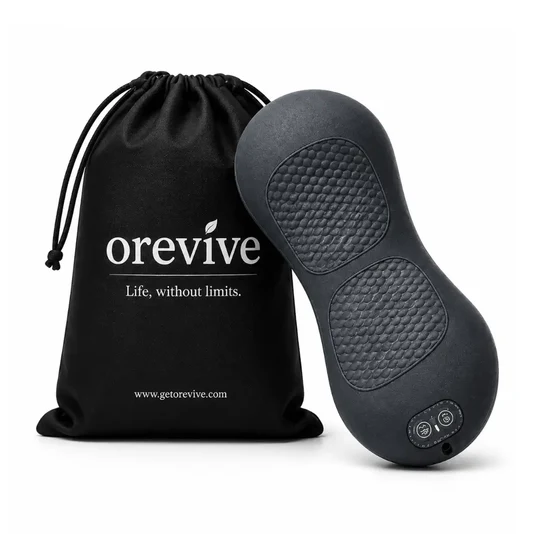
Orevive SpineEase
From £79.95 · 30-day returns (stated) · Tracked UK delivery
Price on the official store, 11 October 2026.
- Typical max heat
- 40–45°C across most models
- Common auto-off
- 15–20 minutes per session
- Charging
- USB-C is the most convenient on cordless models
- Price range
- Typically cheaper budget pads up to premium multi-mode units
Buyer's checklist before you order
- Does the listing state a maximum heat and is it adjustable, or fixed at one level?
- Is there an automatic shut-off, and how long does a session last?
- Is the massage type (kneading, vibration, EMS) one you actually want, or is it unclear from the listing?
- Is it cordless or corded, and if cordless, what's the realistic battery life per charge?
- Does the seller state UK dispatch, tracked delivery and a clear returns window?
- Is there any electrical safety marking (UKCA or CE) mentioned on the listing or box?
- Are any health claims specific and sourced, or vague and unverifiable?
- Is UK-based support available if something goes wrong?
Features to compare across models
| Heat | Check the stated maximum and whether it's adjustable. Orevive SpineEase lists a 42°C maximum. |
|---|---|
| Massage type | Kneading, vibration and EMS feel very different; decide which you actually want before comparing price. |
| Power source | Cordless units are easier to move around but rely on battery life; corded units avoid charging but are less portable. |
| Auto shut-off | A timed cut-off (commonly 15–20 minutes) is a useful safety and convenience feature. |
| Weight | Lighter units are easier to hold in place without a strap; Orevive SpineEase is listed at under 1kg. |
| Controls | Simple button layouts are easier to use one-handed or behind your back. |
| Returns policy | Look for a clearly stated window (commonly around 30 days) from a UK seller. |
| Certification | UKCA or CE marking should be visible on the product or box for any electrical device. |
Types of heated back massagers
Heated lower back massagers aren't all built the same way, and the differences matter more than the heat setting alone:
- Shiatsu/kneading pads: use rotating nodes to mimic a deeper, firmer massage, often combined with heat. These tend to feel the most like a hands-on massage.
- Vibration pads: gentler and quieter, usually cheaper, and better suited to light relaxation rather than deep pressure.
- EMS/TENS-style devices: use electrical pulses rather than mechanical movement. These aren't suitable for everyone (for example, people with pacemakers or who are pregnant), so check the manufacturer's warnings carefully.
- Hybrid devices: combine two or more of the above, such as heat, vibration and EMS in one unit. Orevive SpineEase falls into this category.
If you want a closer look at how EMS compares with more familiar options, see SpineEase vs TENS and other massagers.
See current pricing for Orevive SpineEase, a hybrid heat, vibration and EMS massager
From £79.95 · 30-day money-back guarantee (stated) · Tracked UK delivery
Check Current Price(affiliate link, opens the seller's website in a new tab)Opens the official UK store in a new tab.
It's worth trying a few different massage styles if you can, whether through a friend's device, a shop demonstration, or by reading detailed descriptions of how each mode feels. Some people find EMS pulses uncomfortable or ticklish, while others find kneading nodes too firm against bone rather than muscle. There's no single "best" type; the right choice depends on your own tolerance and what specifically bothers you, whether that's general stiffness after a long day at a desk or tightness after exercise.
Safety features worth checking
- Automatic shut-off, commonly set between 15 and 20 minutes
- Overheat protection on the heating element
- UKCA or CE marking on electrical products sold in the UK
- A manual with clear warnings for pregnancy, pacemakers, diabetes or reduced skin sensation
- A sensibly capped maximum temperature rather than an unlimited heat dial
If you have an existing medical condition or take medication that affects circulation or skin sensitivity, it's worth checking with a GP before using any heated or EMS device regularly. Persistent pain, particularly anything radiating down a leg, should be assessed by a professional rather than managed with a massager alone; see what the evidence says about sciatica for more on this specific question.
It's also worth reading the manual before first use rather than after, since warnings about maximum session length, skin sensitivity and charging precautions are easy to skip when you're keen to try a new gadget. A few minutes spent checking this can prevent discomfort or a shortened battery life down the line, regardless of which model or brand you eventually choose.
Size, fit and comfort
A curved shape that follows the lumbar curve is generally more comfortable to lean against for a full session than a flat pad, and a lighter unit is easier to hold in place without extra straps.
Price, guarantee and support
Heated lower back massagers vary widely in price in the UK, with simple vibration pads typically cheaper than multi-mode hybrid devices that combine heat, kneading and EMS. A clearly stated money-back guarantee, UK dispatch and reachable support are generally worth paying a bit more for, since they reduce the risk of being stuck with a device that doesn't suit you. Read our refund guide for one example of how a guarantee can work in practice, including a discrepancy worth checking before you rely on it.
Where Orevive SpineEase fits
Against the checklist above, SpineEase ticks several boxes: a listed 42°C heat maximum, a 15-minute auto-off, USB-C charging, cordless use and a stated 30-day guarantee. The gaps are unpublished dimensions, an unstated warranty length and no electrical certification listed on the store. For the full breakdown of features, specifications and price, see our full Orevive SpineEase review.
Frequently asked questions
What heat setting should I look for in a back massager?
Most heated massagers top out around 40–45°C, which is comparable to a warm hot water bottle. Adjustable levels are useful if you have sensitive skin.
Is cordless better than corded for a lower back massager?
Cordless is more convenient for moving between rooms or using in the car, but you need to check realistic battery life. Corded units avoid charging entirely but are less portable.
Are EMS back massagers safe for everyone?
No. EMS devices aren't suitable for people with pacemakers, during pregnancy, or in some other medical conditions. Always check the manufacturer's warnings and ask a GP if you're unsure.
How long should a heated massage session last?
Many devices use a timed auto-off, commonly 15–20 minutes, as both a safety feature and a sensible session length.
Do heated massagers treat sciatica or slipped discs?
We haven't found independent clinical evidence that consumer heated massagers treat these conditions. They may offer short-term comfort, but persistent or radiating pain should be assessed by a GP or physiotherapist.
Sources and last checked: Official Orevive SpineEase store, checked 11 October 2026. General product-type price ranges are described qualitatively; we have not sourced a specific market-wide price survey.
Check the latest price and terms on the official UK store
From £79.95 · 30-day money-back guarantee (stated) · Tracked UK delivery
Check Current Price(affiliate link, opens the seller's website in a new tab)Opens the official UK store in a new tab.